How to Get a Talent Agent in Denver: A Realistic Guide for Actors.
If you're serious about acting in Denver, at some point you'll want a talent agent — the person who gets you into the audition rooms and self-tape requests you can't access on your own. But most advice about getting an agent is written for Los Angeles or New York, and Denver doesn't work like LA or New York.
I spent years in Los Angeles as an acting coach and director before moving my studio to Denver, so I've seen both sides: how actors get signed in a major market, and how differently it works in a regional one. Here's the honest version — what Denver talent agencies look for, who they are, how to submit, and how to spot a scam.
Denver Is a Commercial Market — Build for It
The bulk of paying on-camera work in Colorado is commercials, corporate and industrial video, print, and voice-over, with a steady stream of independent film and the occasional larger production shooting locally. That's good news: the ratio of jobs to actors here is far more favorable than in LA.
Denver agents aren't hunting for the next prestige-drama lead. They're looking for actors who book the roles that actually come through their office — the nurse, the dad at the cookout, the engineer in the explainer video, the guest star when a film shoots locally. Build your materials for the market that exists, and you're ahead of most of the pile.
What Agents Expect Before They'll Consider You
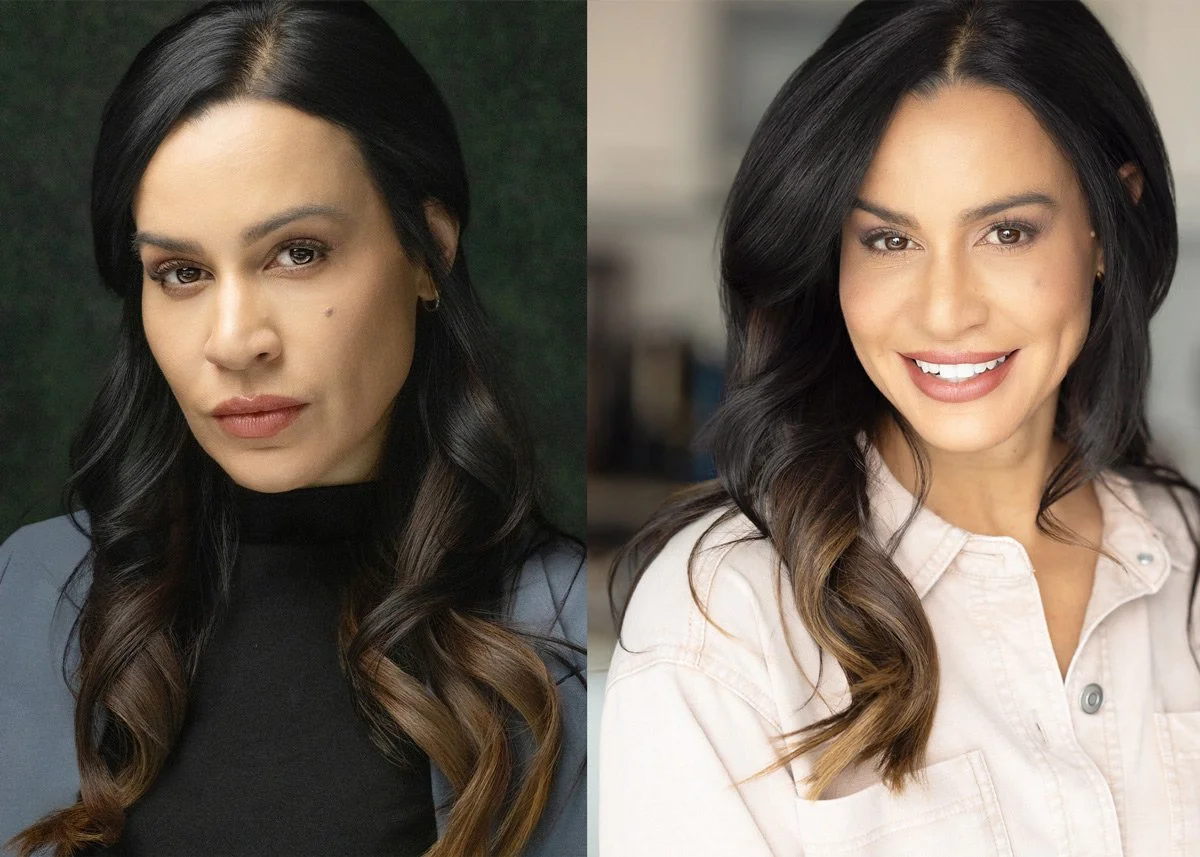
- Professional headshots. Non-negotiable — agencies say so in their guidelines. Big Fish Talent states outright that selfies and outdated photos are deleted without consideration. Ideally have both a theatrical and a commercial look.
- An acting resume. Even a short one. A thin resume with recent, ongoing training beats a padded one every time — agents are reading for seriousness, not stardom.
- Recent, ongoing training. In a commercial market, current on-camera and improv classes matter more than a decade-old degree. "Currently studying with..." is one of the strongest lines a newer actor can have.
- A self-tape setup you can actually use. Most first auditions here are self-tapes. Deliver a clean, well-lit tape within 24–48 hours and you're more valuable to an agent than a better-credited actor who can't.
- Casting profiles. Denver casting runs largely through Casting Networks and Actors Access. Complete profiles mean an agent can submit you the day you sign.
The Denver Talent Agencies That Represent Actors
Denver's agency landscape is small enough to research every legitimate player in an afternoon:
Big Fish Talent
One of Denver's longest-established agencies — actors, voice-over, print, and spokespeople. Known for developing talent. Read their submission guidelines carefully; they enforce them.
Visit siteRadical Artists Agency
Often called "the actor's agency" of the Rocky Mountain region. Founded in 2005, representing union and non-union actors for film, TV, commercials, VO, and print.
Visit siteDonna Baldwin Agency
A Denver institution with a long track record across commercials, film, print, and voice-over. Many working Colorado actors have been on this roster for a decade or more.
Visit siteWilhelmina Denver
The Rocky Mountain affiliate of Wilhelmina International — the region's largest full-service model, talent, and artist agency, with an actor division covering all ages.
Visit siteMaximum Talent Agency
Union, non-union, and bilingual actors for commercials, film, TV, VO, and industrial video — with LA casting connections that occasionally open doors beyond Denver.
Visit siteMore resources
The Film in Colorado directory is the list productions actually use, and the SAG-AFTRA Colorado Local is the authority on union work in the state.
How to Submit (So You Actually Get a Response)
- Follow each agency's submission instructions to the letter. This is the #1 reason submissions get deleted. An actor who can't follow submission instructions is an actor who can't follow audition instructions — and agents filter accordingly.
- Lead with a current headshot. "Current" means it looks like you'll look walking into a casting office next month — same hair, same facial hair, same general weight. An outdated headshot embarrasses the agent in front of casting directors, which is why it's an automatic pass.
- Keep the email to 3–4 sentences. Who you are, your training, a notable credit, why this agency. No life story. The materials do the talking.
- Submit to multiple agencies — then read the contract. When interest comes, understand commission (typically 10–20% of booked work), term length, and exclusivity. A legitimate agency makes money when you make money — never before.
- No response? Work, then resubmit in six months. Silence is usually about roster needs, not talent. Take a class, do a play, update your headshots, and come back with something new to say.
Upfront fees. Real agencies earn commission on booked work. Registration fees, monthly fees, or website fees mean they're in a different business than the one you're looking for.
Mandatory in-house photographers or classes. Agents can recommend photographers they trust. But if signing is conditional on buying their photo package or classes, that package is the product they're actually selling.
Guaranteed work. No legitimate agent guarantees bookings. Casting directors decide who books; agents get you into consideration.
Out-of-nowhere "casting" offers. SAG-AFTRA has warned about scammers posing as casting reps. Verify through official channels before sending money, photos, or personal info.
Representation Follows Momentum
Here's the part most actors get backwards: an agent's job is to amplify a career, not to start one. The actors who get signed in Denver are almost always the ones already working — and the loop looks like this:
Audition for Denver's theater companies. Submit to student films at the Colorado Film School and local universities. Self-produce a scene for your reel. Stay in class. Every loop is a resume line, a relationship, and a reason for an agent to say yes next time.
Frequently Asked Questions
Do I need an agent to work as an actor in Denver?
No — plenty of non-union commercial, indie film, and theater work is cast through open submissions on Casting Networks and Actors Access. But an agent gets you access to higher-paying, agency-only breakdowns and negotiates on your behalf. Most actors working consistently in Denver have representation.
How much does a talent agent cost in Denver?
Nothing upfront. Legitimate agents work on commission from work you book — typically in the 10–20% range depending on the job and whether it's union or non-union. Anyone asking for money before you've booked anything is a red flag, not a fee.
Do Denver talent agents require professional headshots?
Yes, explicitly. Most Denver agencies state in their guidelines that selfies and phone snapshots won't be considered. Your headshot is the first filter in every submission pile. Most working actors here maintain at least two looks: one theatrical, one commercial.
How long does it take to get signed?
Anywhere from one submission cycle to a couple of years, depending on your materials, training, and roster needs. The good news: Denver's agency landscape is small and accessible. If your headshots, resume, and self-tape skills are genuinely professional, you will get meetings.
Can I submit to multiple Denver agencies at once?
Yes — and you should, at the submission stage. Exclusivity only becomes a question once an agency offers to sign you, at which point read the agreement carefully and ask direct questions about the terms.
Every step in this guide starts with the same asset: a headshot that looks like you, reads correctly for the Denver market, and gives an agent a reason to keep scrolling. As a former LA acting coach and director, I shoot actor headshots with the casting process in mind — not just a flattering photo, but a strategic one.
Book Your Actor HeadshotsBuilding your submission package? These guides will help: How to Prepare for an Actor Headshot Session · What to Wear for Your Actor Headshots · Theatrical vs. Commercial Headshots