What to Wear for Your Actor Headshot Session
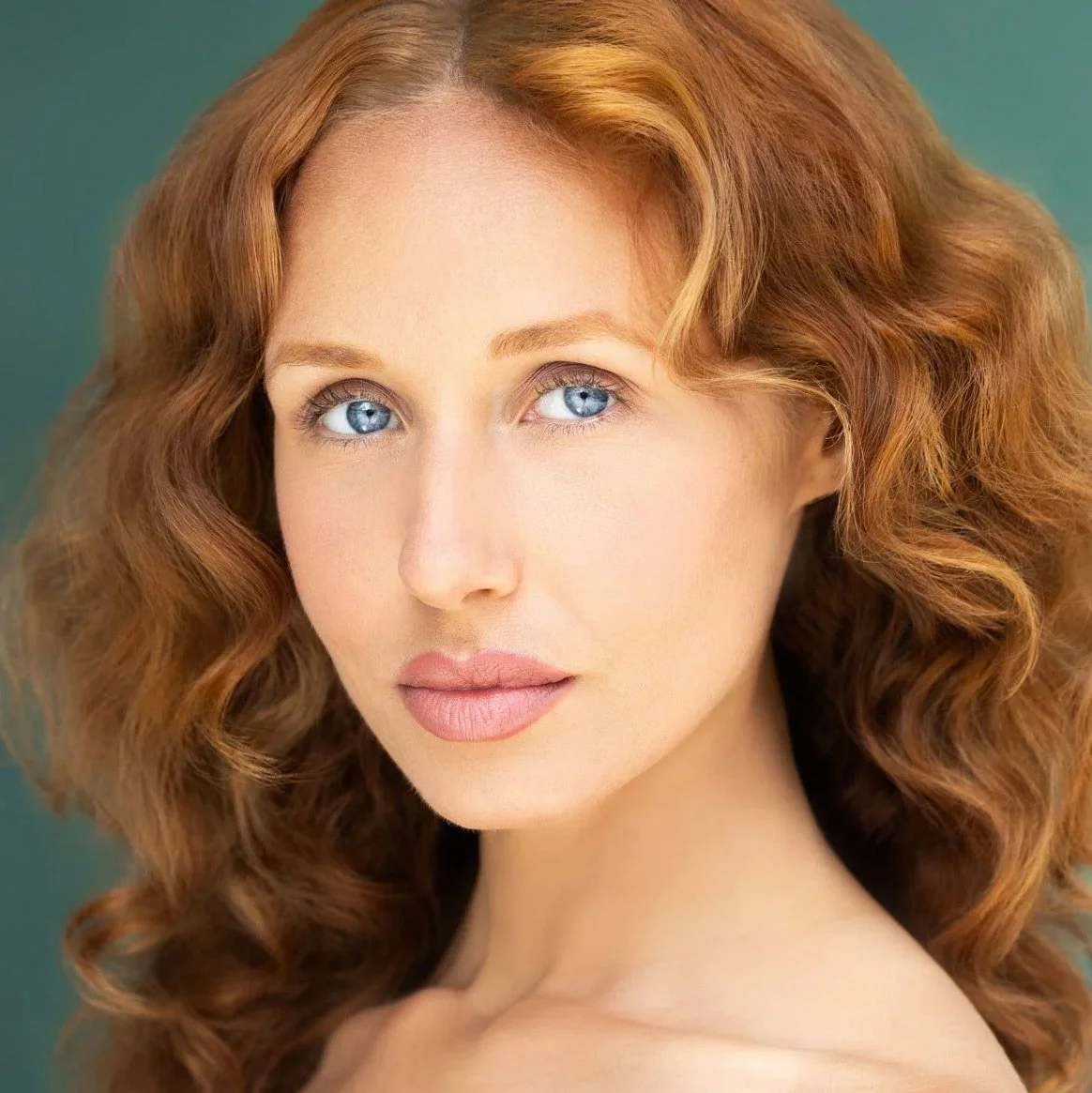
Wardrobe is one of the most-asked-about parts of an actor headshot session -- and one of the most misunderstood.
The common advice is to keep it simple. And that's true, but it's not the whole picture. The real goal isn't to disappear into a neutral outfit. It's to wear something that helps casting directors instantly understand who you are and what roles you're right for. That's a more specific goal -- and it requires a little more strategy.
Here's how I approach it with clients at Draper Studios' actor headshot sessions.
Your headshot is a marketing tool, not a fashion shoot
Every choice you make -- color, fabric, fit, neckline -- sends a signal. Casting directors are looking at hundreds of images and making fast decisions. The question your wardrobe has to answer in a fraction of a second is: what kind of stories does this person belong in?
That's why "just wear something neutral" can actually work against you. A carefully chosen color and a well-fitted shirt that matches your type can say more than any blank slate.
Think in types, not trends
Before you open your closet, think about the roles you're actually going after. Are you the approachable lead? The intense dramatic type? The quick-witted best friend? The authority figure?
Your wardrobe should reflect those types -- not costume them, but hint at them. A soft, warm-toned knit reads differently than a structured dark blazer. Both can be right, depending on who you are.
A useful exercise: look at the headshots of actors currently working in your type. What are they wearing? What's consistent? Start there. Then bring those instincts into your headshot session.
Colors that work -- and ones to watch
Strong choices: Deep, rich tones like navy, forest green, burgundy, rust, and olive add depth and read well on camera. Jewel tones -- emerald, sapphire, plum, wine -- work well if they suit your complexion. Warm neutrals like camel and cream photograph especially well for commercial looks.
Colors to approach with care:
Black cotton absorbs light and can look flat and dimensionless -- if you love black, go for silk, leather, or a textured knit instead. Grey notoriously reads as "nothing" to many casting directors -- use it only if it genuinely suits you. Bright white pulls exposure and competes with your face -- better layered under something else. Neons or very saturated brights can throw color onto your skin under studio lighting.
The underlying question: does this color make your eyes pop, your skin look alive, and your features read clearly? If yes, you're on the right track.
Bring more options than you think you need
For a standard actor headshot session, I recommend packing at least 5-6 tops in a range of colors, necklines, and moods. Include a jacket or blazer -- it can transform a simple top completely. Bring at least one option that reads commercial (warm, approachable, lighter colors) and one that reads theatrical (darker, more structured). And bring accessories: earrings, necklaces, a scarf -- these can shift the feel of a look without a full outfit change.
We often don't know what's going to sing until we put it on and try it. Bring options and give us room to discover what works.
Patterns and texture
Texture is your friend. Knits, linen, denim, chiffon, and suede all add visual interest without competing with your face -- especially useful if you tend toward solid colors.
Small, tight patterns are risky. Thin stripes, fine checks, and small polka dots can create a moire effect that makes the fabric look like it's "buzzing" on camera. Large, loose patterns usually work better. Quick test: photograph the garment with your phone and zoom in. If the pattern looks strange or active in a phone photo, it'll cause problems in studio.
Fit is everything
No amount of great color or texture will save a shirt that doesn't fit. If something is pulling across the shoulders, hanging too loose, or bunching at the collar, the camera will find it.
Wear what fits you well and makes you feel like yourself -- not a costume, not your "fancy" version, not your "humble" version. The version of you that walks into a callback feeling prepared and confident. That's the energy we're after.
A few specifics worth knowing
For men: Get a haircut 5-7 days before the session -- not the morning of. Bring at least one collared shirt and one crewneck, and include a blazer or sports coat. Even a single shot in a jacket can open up entirely different types for you.
For women: V-necks and scoop necks tend to photograph more flatteringly than high crew necks -- but not always, so bring variety. Avoid strapless tops that make you look bare in frame. For makeup, think how you'd look for dinner somewhere you care about -- elevated but real. The heavy, matte editorial look is moving out of favor for most headshots.
For everyone: Bring glasses if you wear them -- some of your best shots may include them. Avoid loud logos or visible branding. Steam or iron anything that wrinkles -- fabric that looks rumpled reads as unprepared.
The headshot should look like you -- on your best day
Not a different you. The real you, lit well, with intention behind every choice in frame.
When your wardrobe is working, you stop thinking about it -- and that's exactly when the session gets good.
Ready to book or have questions about what to bring? Learn more about actor headshot sessions at Draper Studios here -- a quick conversation about your type and your wardrobe can make a real difference in what we walk away with.