You Don’t Need a Headshot. You Need a Portrait
There is a difference. And if you’re a founder, creative, or executive, it’s the difference between an image that identifies you—and one that works for you.
Every time someone asks me for a headshot, I gently push back. Not because I won't shoot one — I will — but because what most people actually need is something different. They've been told they need a headshot. What they actually need is a portrait. And yes, there is a real distinction between the two.
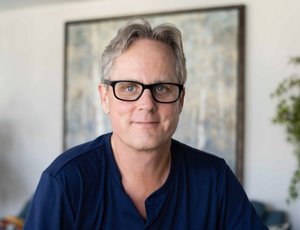
A headshot records what you look like. It fills the circle on LinkedIn. It satisfies the HR request for the company directory. It's utility — a passable likeness, evenly lit, inoffensive, interchangeable.
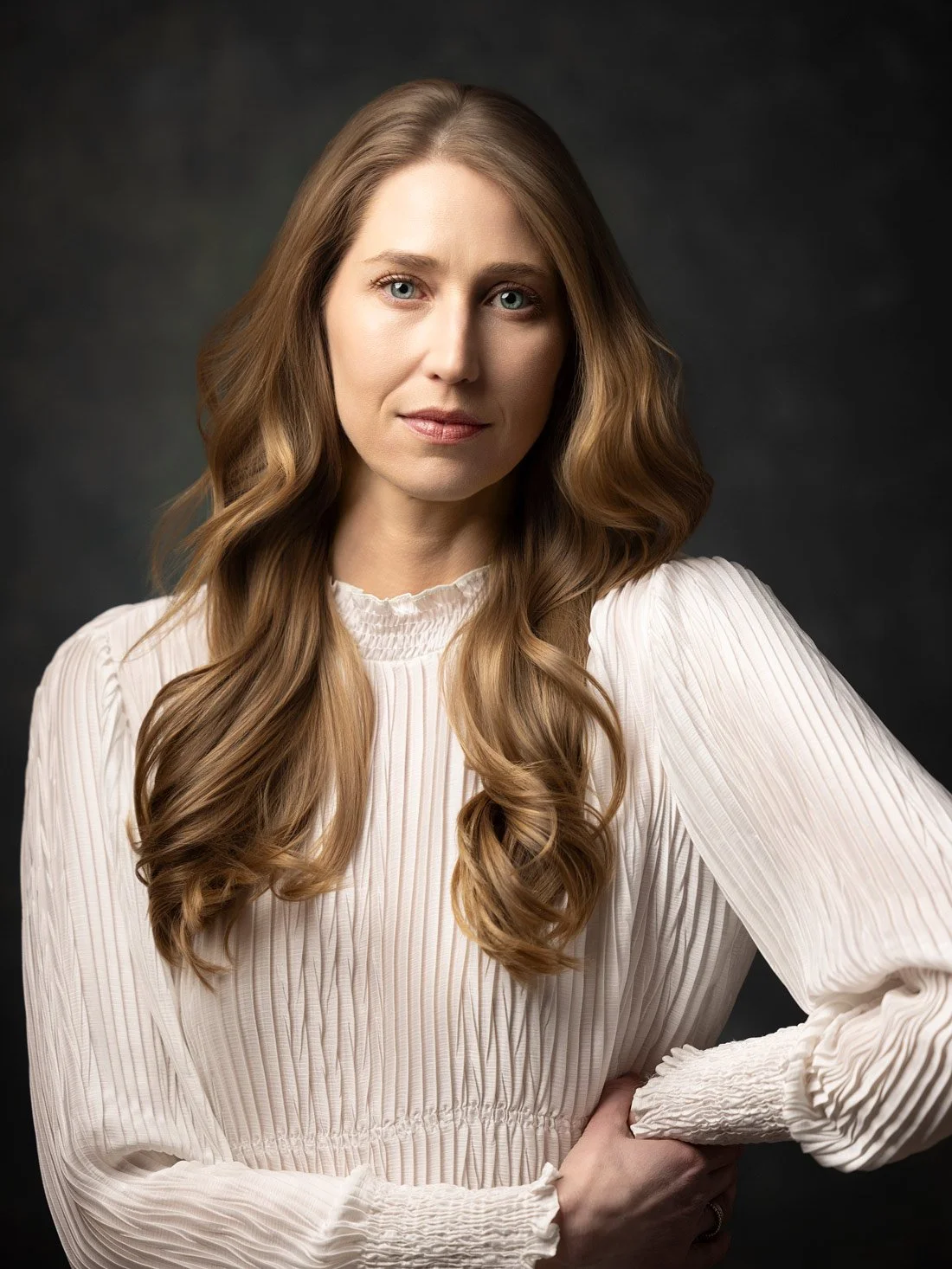
A portrait does something else entirely. A portrait shows who you are. It captures your specific energy, the presence you bring into a room, the version of yourself you want people to trust before you've said a word. It doesn't just identify you. It works for you.
A Headshot
Records what you look like. Fills the circle. Lit for visibility. Expression is neutral. Background is anonymous. Interchangeable with ten thousand others.
A Portrait
Shows who you are. Communicates presence. Lit for mood. Expression is directed. Composition is intentional. Unmistakably yours.
Why the old paradigm is fading
For twenty years, the default professional photo was the same thing: a clean, evenly-lit, forward-facing corporate headshot. It worked because the context was narrow — your face went on a business card, a directory page, a tradeshow badge. The photo only needed to say "this is the person."
That world is gone. Your image now lives on LinkedIn, on podcast thumbnails, in press features, on your company's About page, on panels at conferences, in email signatures, on investor pitch decks, in speaking reels. The audience is larger, the context is more varied, and the competition for attention is enormous.
In that world, a generic headshot doesn't just fail to help you — it actively works against you. It signals that you didn't think too hard about how you want to be seen. And the leaders, creatives, and founders I photograph understand this. They're not looking to check a box. They're looking for imagery that communicates something specific about who they are.
What a portrait captures that a headshot can't
The technical difference is straightforward. A portrait session uses directed expression, cinematic lighting, intentional composition, and real collaboration between photographer and subject. A headshot session uses a strobe, a backdrop, and a timer.
But the real difference is philosophical. A portrait photographer's job isn't to record your face — it's to reveal your presence. That requires actually engaging with you: understanding what you do, who you serve, the version of yourself you want the world to meet. It takes direction, conversation, and a willingness to try things that don't work before landing on something that does.
The result isn't a passable likeness. It's an image that looks like you — the way your best friends, most loyal clients, or closest colleagues see you. The version of you that makes people lean in.
The case for cinematic
I borrow a lot from filmmaking. The way a portrait is lit, framed, and directed is closer to a still from a film than a corporate directory photo — and that's intentional. Films know how to make people look like themselves, but more so. They know how to tell you something about a character in a single frame.
That's the standard I hold my work to. When someone sees a Draper Studios portrait, I want them to feel the way they do when they pause a great film on a striking frame: curious, drawn in, wanting to know more about the person on the screen.
That's the difference between a headshot and a portrait. And it's why, for founders, creatives, and executives who understand that their image is one of the most important investments they make, I'd argue the distinction isn't semantic. It's strategic.
Ready for a portrait, not a headshot?
I work with executives, founders, and creatives in Denver and on location. Sessions are considered, directed, and built around who you actually are — not what you happen to look like on a given day.
Start a Conversation