Theatrical vs. Commercial Headshots: What's the Difference and Which Do You Need?
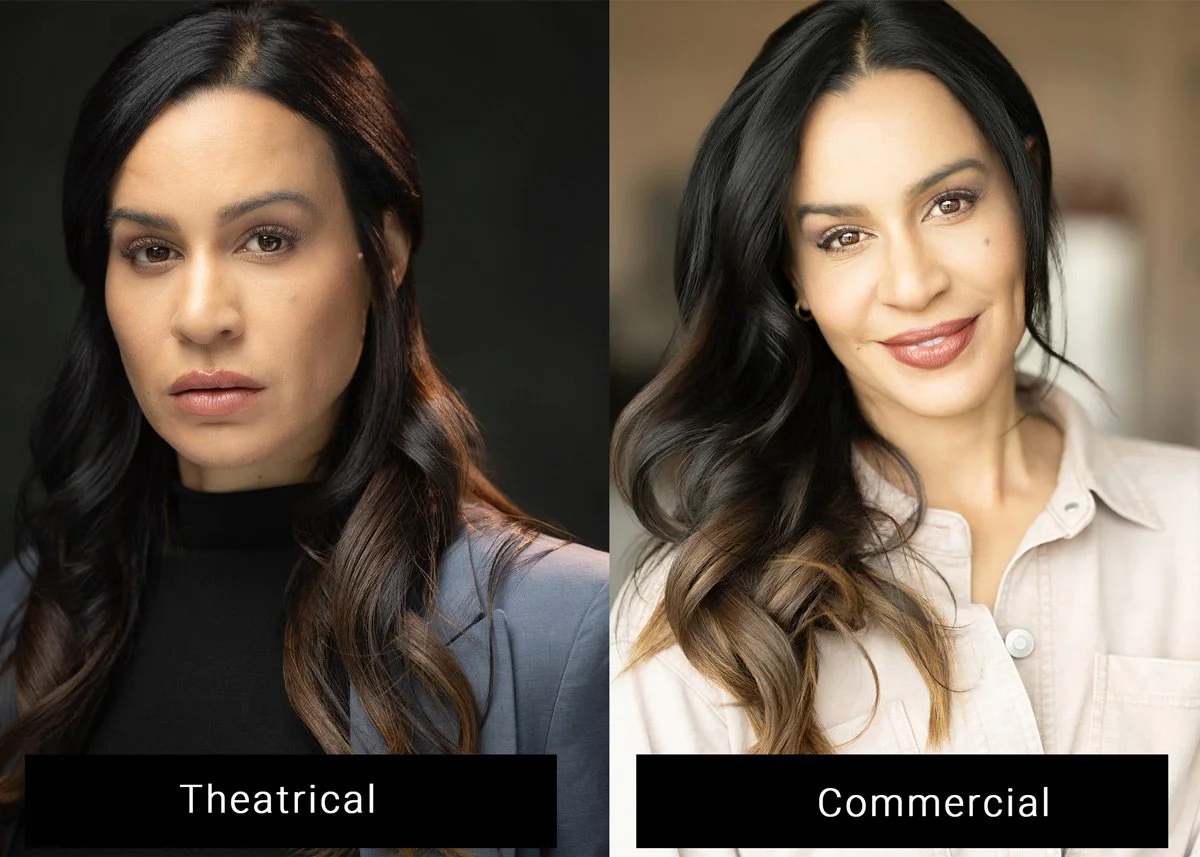
If you've started looking for an actor headshot photographer in Denver, you've probably run into the terms theatrical and commercial — and maybe felt a little unsure what either one actually means. You're not alone. Even working actors sometimes blur the line between the two. This guide breaks it down clearly so you know exactly what you're walking into a session for.
What are theatrical headshots?
Theatrical headshots — sometimes called dramatic headshots or TV/film headshots — are designed for dramatic and scripted work. Think film, television, theater, and streaming projects. The goal is to show casting directors the specific characters you can play: the detective, the grieving mother, the quiet villain, the best friend who's hiding something.
These shots tend to be more psychologically present. Less performed, more inhabited. The best theatrical headshot looks like a frame pulled from the show or movie you're auditioning for — a moment already in progress. Casting isn't just looking at your face; they're looking for a person they can believe in a scene.
What are commercial headshots?
Commercial headshots are used for advertising, brand work, print campaigns, industrials, and lifestyle content. The tone shifts significantly: commercial work favors warmth, approachability, and energy. Think the person in the insurance ad, the smiling professional in a tech campaign, the relatable neighbor selling kitchen appliances.
Commercial headshots often feature a genuine smile, brighter wardrobe choices, and a more open, inviting expression. The casting brief for commercial work is frequently "likable, trustworthy, and real" — so the headshot needs to communicate that immediately.
Key differences at a glance
Theatrical
- Film, TV, theater, streaming
- Neutral, character-driven wardrobe
- Serious, present, or complex expression
- Often multiple character looks
- Darker or moodier tones acceptable
- Submitted to casting directors and agents
Commercial
- Advertising, print, brand campaigns
- Brighter, relatable wardrobe
- Warm, approachable, or energetic expression
- Often a single strong "hero" shot
- Clean, well-lit, accessible aesthetic
- Submitted to commercial agents and ad agencies
Which type do Denver actors need?
The honest answer: most working actors need both eventually. But if you're just starting out or building your first serious submission package, theatrical is typically the priority — especially if you're pursuing film and TV work in the Denver market or submitting to SAG-AFTRA signatory projects.
Denver has a growing independent film scene and increasing commercial production work, so both types are genuinely relevant here. If you're actively auditioning for theater productions, student films, or local TV spots, get both. If you're focused on a specific lane — say, you're primarily an improv-to-commercial actor — start where you're actually working.
One practical note: theatrical headshots typically involve multiple looks or character types within a single session. At Draper Studios, actor headshot sessions are built around specific character directions — so instead of walking away with one generic shot, you leave with a range that shows the casting community who you are across different roles.
What does a good actor headshot session look like?
Regardless of theatrical vs. commercial, a few things separate a strong headshot session from a mediocre one:
- Direction matters. A photographer who just points a camera at you and shoots isn't giving you what you need. You should be guided through specific character types, emotional tones, and moments — not just poses.
- Multiple looks. Wardrobe changes let you cover more casting ground. A dramatic character look is a completely different submission from your commercial-friendly warmth shot.
- Retouching that preserves you. Your headshot should look like you on your best day — not a smoothed-over version that casting won't recognize in the room. This is a common and costly mistake in cheaper sessions.
- Industry-standard formatting. Most Actors Access and casting database submissions require specific dimensions and file sizes. Your photographer should know this.
How to prepare before your session
Think about the types of roles you're actually auditioning for — and the types you want to be seen for. Pull references from shows or films you've watched where you thought "I could play that." Bring those to your session. Your photographer can help translate that into a real shot direction.
For more detail on how to walk in prepared, read our guide on how to prepare for an actor headshot session.
Ready to book your Denver actor headshots?
Draper Studios offers actor headshot sessions in Denver designed around specific character types — so you leave with a submission-ready range, not just one look. Sessions are available in-studio and on location.
View actor headshot sessions →