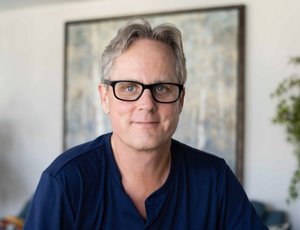
Event Photography in Denver: Why Editorial Portraits Beat Candid Crowd Shots
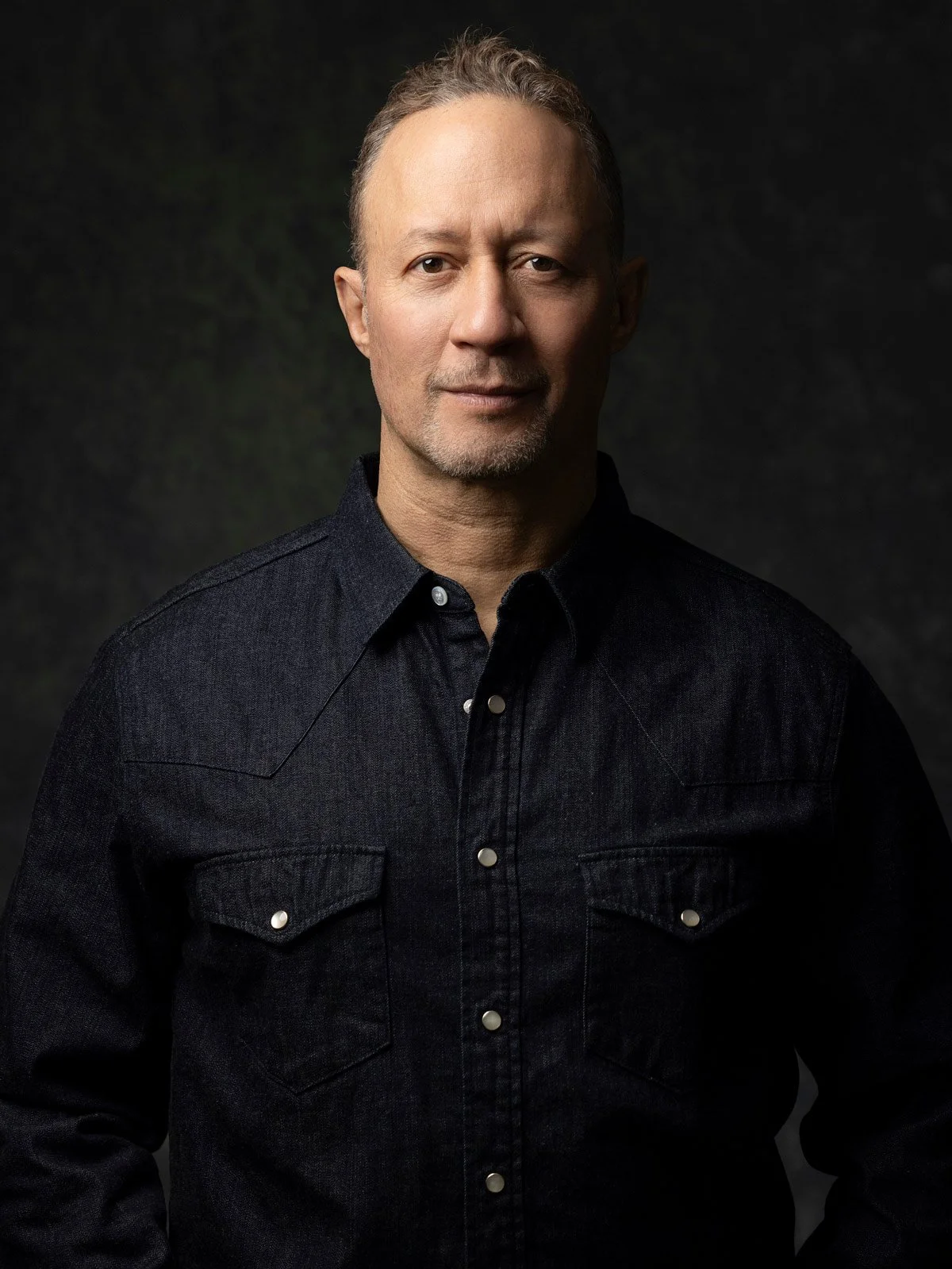
Most event photography looks the same: wide shots of the room, candid laughs at the bar, a handful of decent crowd shots for the recap video. It's useful. It's also forgettable — and it gives the people who actually showed up to your event nothing they'll personally use again.
That's the gap my event photography work is built around.
It's also a bigger gap than it used to be. Recent industry benchmarking found that the large majority of event organizers now rank in-person conferences and summits as their organization's most effective marketing channel (Bizzabo, 2026 State of Events Benchmark Report). That's a lot of budget riding on what attendees actually walk away with.
A different kind of event photography
Instead of — or alongside — standard event coverage, I set up a portrait station at the event itself: a corner of the conference hall, a quiet spot near the bar at a gala, a step-and-repeat with real lighting instead of a banner and an on-camera flash. Attendees get pulled aside for sixty to ninety seconds and walk away with an editorial-quality portrait or headshot, not a candid grabbed mid-conversation.
It's the same standard I hold for a full editorial session — directed, properly lit, composed with intention — compressed into a couple of minutes per person instead of a couple of hours.
Why this works better than it sounds
It sounds like it should take too long to be practical at a 200-person conference. It doesn't, for the same reason a corporate headshot day doesn't take all week: years spent directing actors taught me how to get someone to their best, most natural expression fast, without making them feel like they're auditioning for it. People walk up tense and walk away with a photo they'd actually post themselves.
Scored from what clients and attendees tell me afterward, not a formal study — but ask anyone who's actually used the photo from a step-and-repeat banner.
That turns a portrait station into one of the more talked-about parts of the event, and it gives you usable content for months afterward — speaker photos for next year's marketing, executive headshots that didn't exist the day before, a wall of attendee portraits that's more interesting than a step-and-repeat banner ever was.
Where this fits
Conferences and summits, where attendees leave with an updated LinkedIn photo instead of another tote bag. Galas and fundraisers, where your board and major donors get a portrait worth keeping. Product launches and brand activations, where executives and speakers need media-ready images before the recap goes live. Award ceremonies, where the people who won deserve more than a phone photo holding a trophy.
Turnaround is 48 hours on the full set — fast enough that the photos are still useful while the event is fresh, not buried in a shared drive three weeks later.
It's not a replacement for your event photographer — it's an upgrade to what they're already doing
This works alongside standard event coverage, not instead of it. You still want someone capturing the room, the energy, the moments nobody planned. The portrait station is the addition that gives individual attendees, speakers, and executives something with their own name on it — a photo that's actually about them, not the event around them.
Common questions
Does this replace my event photographer? No — it runs alongside them. You still want full event coverage; the portrait station is the add-on that gives individuals something personal to take with them.
How many people can you get through in a few hours? At sixty to ninety seconds each, a single setup typically handles 40 to 60 people in a focused two-hour window, more with a second setup for larger conferences.
Does this work for smaller events too? Yes. The format scales down just as easily for a 30-person leadership retreat or board dinner as it scales up for a 500-person conference.
If you're planning an event and want something more useful than standard coverage, reach out and I'll put together a quote based on your headcount and format.