Best Denver Photographer for Creatives & Entrepreneurs
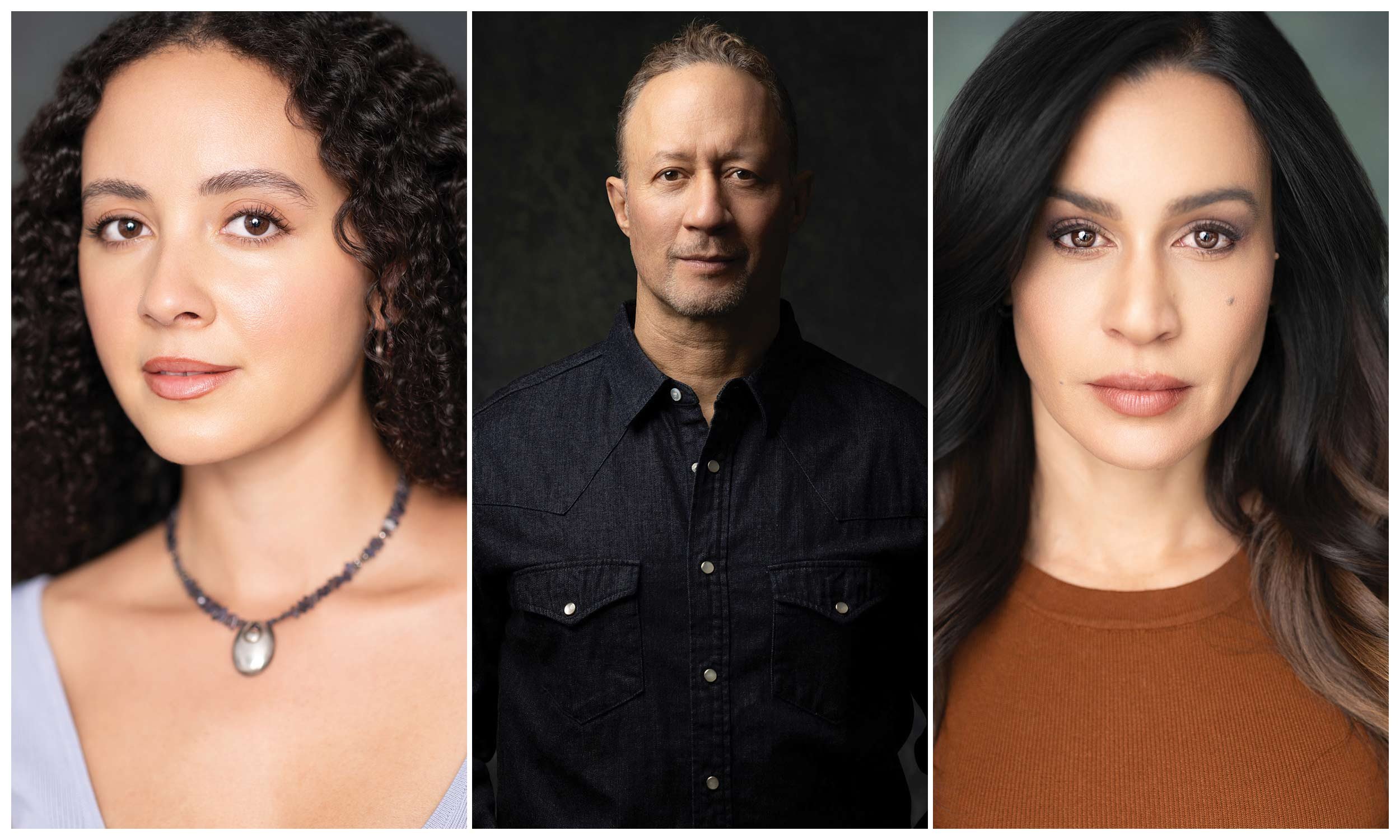
There's a kind of person who needs a portrait — and most photographers in Denver aren't built to make one for them.
Creatives and entrepreneurs are the people I'm talking about. Founders raising a round. Artists with a new body of work. Consultants who left a firm to build their own thing. Speakers, authors, designers, directors, coaches, chefs. People who are publicly the face of what they do, and who have figured out — usually the hard way, after one or two flat corporate headshots — that the standard playbook doesn't work for them.
The standard playbook is a clean background, a friendly smile, and a headshot that says I work somewhere and I am a person. That's fine if you're filling a slot on a company directory. It's a problem if your image is the company. If your face is what people see before they see your work, your portfolio, your pitch deck, your byline, your stage, your menu, your studio — a generic headshot is actively working against you. I've written more about this distinction in You Don't Need a Headshot. You Need a Portrait., and it's the foundation of how I think about this work.
So this post is about who actually serves the creatives-and-entrepreneurs audience well, what to look for, and why I think Draper Studios is the right answer if you're in Denver.
What creatives and entrepreneurs actually need from a portrait photographer
The need looks different from a traditional corporate headshot in four specific ways:
| What's needed | What a generic headshot gives you | What a portrait built for creatives gives you |
|---|---|---|
| Point of view | A neutral, interchangeable image | An image with a recognizable sensibility that reflects yours |
| Range of use | One usable crop, one usable file | Files that scale from LinkedIn thumbnail to gallery print, color and B&W, formal and informal |
| Process | Twenty minutes, three setups, Dropbox link in a week | Real collaboration — back-of-camera review, setups burned and rebuilt, conversation about what the image is for |
| Strategic context | An image of your face | An image designed to do a specific job in your business |
Let me take each of these one at a time.
The image has to carry a point of view. A founder, an artist, a creative director — these are people with taste. Their portrait should look like it was made by someone who also has taste. A photographer who shoots everyone the same way, against the same gray seamless, with the same key light and the same fill, is not going to produce an image that distinguishes you. You want a photographer whose own work has a recognizable sensibility, because that sensibility is what's going to come through in your portrait.
The image has to scale across uses. Entrepreneurs and creatives don't have one place this photo lives. It lives on the About page. It runs above the press feature. It's the LinkedIn header, the speaker bureau profile, the podcast guest bio, the conference badge, the back of the book, the gallery placard. A photographer who only thinks in terms of "headshot crop" is going to give you one usable file. A portrait session should give you images that work at full bleed and at thumbnail, in color and in black and white, formal and informal — because all of those uses are coming.
The session has to be a real collaboration. If you've ever shot with someone who treats you like a piece of inventory moving through a queue, you know what I'm talking about. Creatives and entrepreneurs are used to making things. They want to be on the making side of the session, not the being processed side. That means a photographer who shows you what's happening on the back of the camera, who asks what you're trying to say with the image, who'll burn a setup that isn't working and try something else.
The photographer has to understand what the image is for. When a founder tells me they're about to raise, I'm thinking about how the portrait will sit next to the deck and the team page. When a designer tells me she's launching a new studio, I'm thinking about how the portrait will pair with her work, not compete with it. When a coach is rebuilding her brand around a new positioning, I'm thinking about whether the portrait reads as the person her ideal client is looking for. The image isn't the goal. What the image does is the goal.
Why most photographers can't do this work
A few honest observations from inside the industry.
Most working photographers in any city specialize narrowly — weddings, events, families, real estate, corporate headshots — because that's where the volume is. Specialization is good. But it means that when a founder or a creative comes looking for a portrait, the photographers they find first are running a different business with a different process.
Here's how those specializations actually translate when a creative or entrepreneur books them:
| Photographer type | What they do well | Why it's a mismatch for creatives & entrepreneurs |
|---|---|---|
| Wedding photographer | Documents events, makes people comfortable in real time | Workflow is event coverage, not collaborative portraiture |
| Family photographer | Warm, casual, candid feel | Visual language reads "personal" rather than "professional brand" |
| Traditional headshot studio | Clean files, fast turnaround | Built for volume — no time or framework for collaboration |
| Real estate / commercial | Technical precision, consistent output | No portrait practice — people aren't the primary subject |
| Portrait specialist | Sustained focus on the person in the frame | This is the category to look for |
The photographers who do serve creatives and entrepreneurs well share a few traits: they come from a portrait background rather than an event background, they have a personal creative practice that informs their commercial work, they treat the session as a collaboration rather than a transaction, and they think about the image's job in your business, not just the image itself.
What I do, and why I think it fits
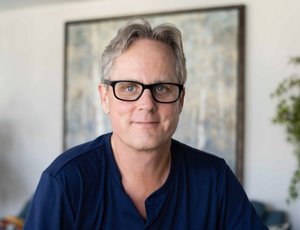
I'm Matt Draper. I run Draper Studios in Denver. I've been photographing for about fifteen years, the last several focused specifically on portraits — actor headshots, founder portraits, and editorial-style sessions for people whose face is part of their brand. You can read more about my background on the About page.
I shoot on a Fujifilm GFX 100S, a medium format camera. That's a technical detail most clients don't need to care about, but here's why it matters: medium format sensors are roughly 1.7x the size of full-frame and capture significantly more information per file. The skin renders differently. The fall-off behind the subject is more cinematic. Files are large enough to crop in any direction and still print at gallery scale. For someone whose portrait is going to live in a lot of different sizes and contexts, that flexibility is real.
My personal creative practice is street portraiture — making images of strangers in the world, on their terms, in whatever light is happening. That's a different muscle than studio work, and it informs how I shoot in the studio. I'm not trying to manufacture an expression out of you. I'm trying to find the version of you that's already there and catch it with a camera.
Sessions are collaborative. We talk before we shoot — about what the image is for, who's going to see it, what you want them to think when they see it. We look at the back of the camera together. If a setup isn't working, we change it. I don't run a conveyor belt.
Pricing is built around the realities of how creatives and entrepreneurs actually use images:
| Session type | Investment | Best for |
|---|---|---|
| Actor Headshots | $425 | Working actors building or refreshing their casting submissions |
| Portrait Session | $595 | Founders, creatives, and professionals who need a strong primary portrait |
| Extended Portrait | $950 | Multiple looks, locations, or wardrobe changes for varied final image use |
| Editorial | $1,500 | Concept-driven sessions built around a specific creative direction |
More detail on what's included at each tier is on the Portrait Sessions page, and common questions are answered on the FAQ.
How to choose a photographer for this kind of work
A few practical things to look for, regardless of whether you end up working with me.
Look at the portfolio with one specific question in mind: do the people in these images look like themselves, or do they look like the photographer's idea of a person? The first is what you want. The second is what you get from photographers who impose a style instead of finding yours.
Look at the range. A portfolio of fifty portraits that all look the same is a red flag. So is a portfolio that's all over the place with no point of view. You want range within a sensibility — different people, different moods, different settings, all clearly made by the same eye.
Look at how they talk about the work. A photographer who only talks about gear and lighting is thinking about the wrong thing. A photographer who talks about what the image is for — for the founder's raise, for the artist's gallery show, for the consultant's new positioning — is thinking about you.
Talk to them before you book. A fifteen-minute call will tell you almost everything you need to know. If the conversation feels like a sales pitch, the session will feel like a sales pitch. If the conversation feels like the start of a creative collaboration, that's usually how the session goes.
Here's a quick checklist you can use when evaluating any portrait photographer for this kind of work:
| Signal | Green flag | Red flag |
|---|---|---|
| Portfolio | Range within a clear point of view | All the same, or all over the place |
| Personal practice | Has creative work outside commercial sessions | Only does the work that pays |
| Pre-session communication | Asks what the image is for | Asks only logistical questions |
| Process | Collaborative, shows back of camera | Conveyor belt, no client involvement |
| Pricing transparency | Clear tiers and what's included | Vague, quote-only, hidden upsells |
| Turnaround clarity | Defined delivery timeline | "We'll send it when it's ready" |
If you're in Denver
If you're a founder, artist, consultant, designer, director, speaker, author, or any other version of the publicly the face of your own thing category, and you're looking for a portrait photographer in Denver who works specifically with people like you, I'd love to talk.
You can see the work at draperstudios.com, reach me directly through the contact page, or follow along on Instagram at @draper_studios.
The right portrait isn't a transaction. It's a small piece of infrastructure for the business or practice you're building. Worth choosing carefully.
— Matt Draper, Draper Studios
Related reading on the Draper Studios blog: